Three Approaches to Aging: Confidently, Gracefully, Naturally
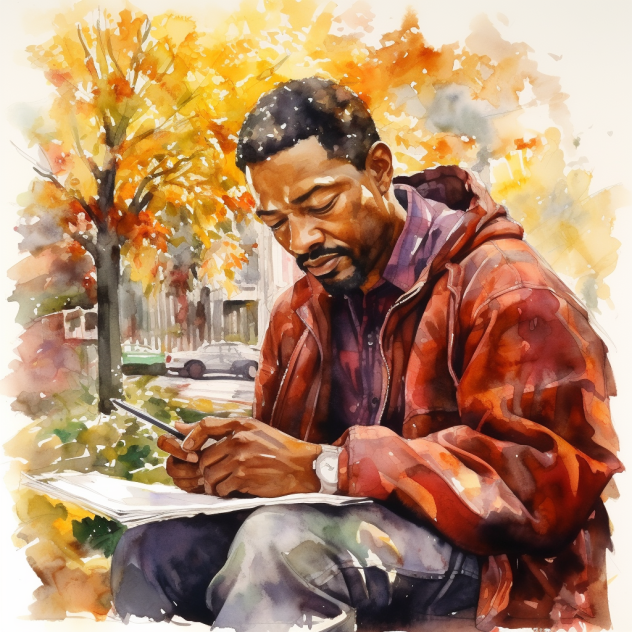
Aging Confidently
Aging confidently means moving through your later years with self-assurance and belief in your value. It involves trusting your accumulated knowledge, accepting your capabilities, and continuing to engage with life from a position of inner strength.
Core Characteristics
Self-trust forms the foundation. After decades of living, you know yourself. You understand your strengths and recognize your limitations. This self-knowledge creates confidence. You trust your judgment because you've tested it through thousands of decisions. You trust your abilities because you've used them in countless situations. You trust your values because you've lived by them and seen their worth.
Experience provides authority. Confidence in later years doesn't come from pretending to know everything. It comes from having navigated real challenges. You've solved problems, recovered from setbacks, adapted to changes, and learned from mistakes. This lived experience creates genuine authority—the kind that doesn't need to prove itself through bluster or competition.
Boundaries become clearer. Confident aging involves knowing what you will and won't accept. You've learned which relationships sustain you and which drain you. You understand which activities align with your values and which waste your time. Setting boundaries isn't aggressive—it's simply clear. "This works for me. That doesn't." This clarity comes from knowing yourself and honoring that knowledge.
Voice stays strong. Aging confidently means continuing to speak up, share opinions, and contribute to conversations. Your voice matters. Your perspective has value. You don't defer to others simply because they're younger or hold positions of authority. You offer what you know, ask questions when confused, and disagree when you see things differently.
Capacity continues. Confident aging acknowledges that you remain capable. Your body may shift, yet your mind holds decades of knowledge. Your energy may shift, yet your skills remain available. You can still learn, create, solve problems, and contribute.
Confidence means knowing you still have something to offer the world.
What It Looks Like in Practice
A person aging confidently makes decisions based on their own assessment rather than others' expectations. When someone suggests they "should" do something because of their age, they evaluate whether that suggestion serves them. They might agree or might choose differently, yet the choice comes from their own judgment.
This person continues pursuing interests that matter to them. If they want to start a new project at seventy, they start it. If they want to learn a skill at eighty, they learn it. Age doesn't automatically disqualify them from new experiences or endeavors.
They speak openly about their needs and preferences. "I need to rest now." "I prefer not to travel that far." "I want to try this." These statements come without apology or justification. They're simply honest communication from someone who knows themselves.
When facing challenges, they draw on their experience. They've handled difficulties before and can handle them now. This doesn't mean challenges are easy. It means they trust their ability to find ways through or around obstacles.
The Inner Work Required
Aging confidently requires releasing internalized messages about aging meaning decline or irrelevance. Society often sends these messages. Media suggests older people are less valuable. Youth-focused culture implies that worth decreases with age. Confident aging means rejecting these false messages and knowing your value remains strong.
It requires honest self-assessment. Confidence without capacity is delusion. You need to know what you can do and what you can't. What you know and what you don't. Where your judgment is sound and where you need input from others. This honest assessment creates genuine confidence rather than false bravado.
It involves accepting shifts-pivots-corrections while maintaining core identity. Your body shifts. Your circumstances pivot. Your roles correct. Yet you remain yourself—the person shaped by decades of experience, carrying accumulated wisdom, holding values refined through living.
Confident aging means staying connected to this core self while adapting to shifting conditions.
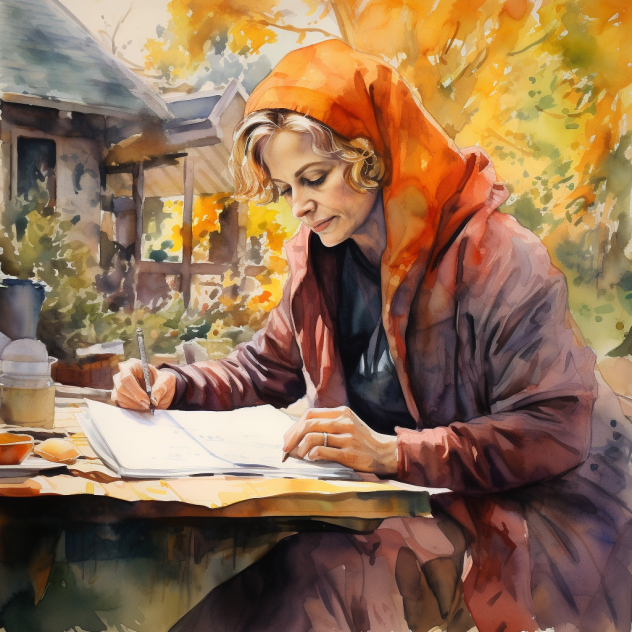
Aging Gracefully
Aging gracefully means moving through later years with ease, acceptance, and dignity. It involves adapting to changes with flexibility, treating yourself and others with kindness, and maintaining composure through the challenges that time brings.
Core Characteristics
Acceptance replaces resistance. Graceful aging involves acknowledging reality as it is rather than fighting against what can't be changed. Your hair grays or thins. Your skin wrinkles. Your body moves differently than it did at thirty. These changes are natural. Acceptance doesn't mean liking every change. It means acknowledging what's real and working with it rather than against it.
Flexibility allows adaptation. Life after sixty brings transitions. Retirement pivots daily routines. Health shifts may require adjustments. Relationships evolve. Graceful aging means adapting to these "movements" with flexibility rather than rigidity. "This isn't how I planned it, yet I can work with this situation." This flexible approach reduces suffering and opens possibilities.
Kindness toward self and others prevails. Graceful aging involves treating yourself gently when you struggle. You don't berate yourself for needing more rest, moving more slowly, or forgetting occasional details. You extend to yourself the same compassion you'd offer a friend. This kindness also extends outward—to family, friends, and strangers. You recognize everyone faces challenges and deserves consideration.
Dignity remains constant. Aging gracefully means maintaining your dignity through whatever circumstances arise. If you need help, you ask for it without shame. If you can't do something you once did easily, you acknowledge it without self-degradation. Dignity isn't about maintaining independence in all things. It's about maintaining self-respect and expecting respectful treatment from others.
Gratitude balances loss. Later years involve losses—of people, abilities, opportunities. You can grieve what's gone while appreciating what's present. "I miss hiking steep trails, and I'm grateful I can still walk in parks." Both truths coexist.
Graceful aging acknowledges these losses while also recognizing what remains.
What It Looks Like in Practice
A person aging gracefully adjusts expectations to match current reality. They don't compare their seventy-year-old body to their thirty-year-old body. They work with what they have now, finding satisfaction in current capabilities rather than mourning past ones.
They walk without drama. When driving at night becomes difficult, they stop driving at night. When certain foods no longer agree with them, they eat different foods. These adjustments happen naturally, without viewing each change as a crisis or failure.
They maintain appearance in ways that feel authentic. Some dye gray hair; others embrace it. Some dress stylishly; others prefer comfort. The key is that choices reflect personal preference rather than desperate attempts to appear younger or giving up on appearance entirely.
They stay engaged with life while respecting their limits. They participate in activities they enjoy, yet don't push beyond reasonable boundaries. If they need rest, they rest. If they want stimulation, they seek it. They balance engagement with self-care.
They handle difficulties with composure. When facing health challenges, relationship changes, or life transitions, they respond with measured thoughtfulness rather than panic or denial. They gather information, make decisions, and move forward as circumstances allow.
The Inner Work Required
Aging gracefully requires letting go of ego attachments to youth, strength, or independence. These qualities change with age. Clinging to them creates suffering. Releasing them creates space for peace. This doesn't mean not caring about health or capability. It means not defining your worth by how much you match idealized images of eternal youth and strength.
It involves cultivating equanimity—the ability to remain balanced through pleasant and unpleasant experiences. Some days feel good; some days feel hard. Graceful aging means not being thrown off balance by this variation. You take each day as it comes, responding to what's present rather than reacting from what you wish were different.
It requires developing self-forgiveness. You will have moments of frustration, sadness, or fear about aging. These feelings are normal. Treating yourself kindly when they arise creates grace. Judging yourself for having human emotions creates inner harshness.
The decision affects how you experience your later years.
Aging Naturally
Aging naturally means allowing the aging process to unfold according to biological reality rather than fighting it through extreme interventions. It involves accepting physical shifts as normal parts of life while maintaining health through lifestyle decisions that support well being.
Core Characteristics
Biological processes proceed without excessive interference. Natural aging means your hair grays, your skin develops lines, your body shows the marks of decades lived. You don't pursue every available cosmetic intervention to erase these signs. This doesn't mean neglecting health or appearance. It means distinguishing between caring for yourself and attempting to halt or reverse natural processes.
Health comes through lifestyle rather than quick fixes. Aging naturally emphasizes prevention and ongoing healthy habits over crisis interventions. You eat nutritious food, stay active, get adequate sleep, manage stress, and maintain social connections. These consistent practices support health more effectively than sporadic attempts to reverse damage through intensive interventions.
Movement continues in age-appropriate ways. Natural aging involves staying active in ways your body can sustain. You walk, garden, swim, practice gentle yoga, or engage in other movement that feels good and serves your body. You don't stop moving, yet you don't push through pain or damage yourself trying to match younger people's intensity or speed.
Connection to natural world remains strong. Aging naturally often involves maintaining or deepening relationship with nature. Time outdoors, attention to seasons, awareness of natural cycles—these connections support physical and mental well being. They also provide perspective, reminding you that all living things go through stages of growth, maturity, and eventual decline.
Acceptance of mortality shapes choices. Natural aging means acknowledging that life has limits. This awareness isn't morbid—it's realistic. Knowing you won't live forever helps you focus on what matters now.
You make different choices when you accept life's finite nature than when you pretend death won't come.
What It Looks Like in Practice
A person aging naturally might use reading glasses when their vision changes rather than immediately pursuing surgical correction. They might let their hair gray rather than dyeing it monthly. They might accept wrinkles as evidence of years lived and emotions expressed rather than as problems requiring correction.
They maintain health through daily choices. They choose foods that nourish their body. They walk or move in ways that maintain strength and flexibility. They protect their sleep. They manage stress through practices like deep breathing, time in nature, or meaningful activities. These habits form the foundation of their health.
When illness or injury occurs, they seek appropriate care while also supporting healing through lifestyle. They take necessary medications while also ensuring good nutrition, adequate rest, and stress reduction. They view health as partnership between medical care and daily choices rather than expecting medicine alone to solve problems.
They spend time outdoors regularly. This might mean gardening, walking, sitting on a porch watching birds, or hiking gentle trails. The specific activity matters less than the regular contact with natural world. This connection grounds them, provides rhythm, and reminds them of their place in larger cycles of life.
They make peace with their body's changes. Metabolism slows, so they adjust food intake. Joints stiffen, so they stretch regularly. Energy varies, so they pace activities accordingly. These adjustments happen as needed rather than being resisted until crisis forces transition(s).
The Inner Work Required
Aging naturally requires releasing cultural messages that equate youth with value. Advertisements promise to "reverse aging" or "turn back time." These messages suggest that looking older is a problem requiring solution. Natural aging means rejecting these messages and knowing that visible age is simply evidence of living.
It involves distinguishing between maintaining health and attempting to prevent aging. You can care for your health at any age. Being so, is wise. You can't stop aging. Attempting to creates frustration and often leads to outcomes that don't serve well being. Natural aging means focusing effort on what actually supports health rather than chasing impossible goals.
It requires comfort with your body as it is now rather than as it was decades ago. Your current body is the one that's alive, that feels sensations, that moves through the world. Rejecting it in favour of memories of how it used to be creates suffering. Accepting it as it is now creates peace and allows you to care for it appropriately.
It involves embracing the wisdom that comes with age rather than focusing solely on what's been lost. Yes, you may move more slowly. Yet you may also understand things you didn't grasp at thirty. You may have less energy, yet more clarity about how to use what energy you have.
Natural aging means recognizing these gains alongside the losses.

How These Approaches Relate
These three approaches to aging—confidently, gracefully, naturally—aren't mutually exclusive. They overlap and complement each other. A person might embody all three or emphasize different ones at different times.
Someone aging confidently often finds it easier to age naturally because they don't need external validation through appearance. Their confidence comes from within rather than from looking younger than their years.
Someone aging gracefully develops the flexibility that supports aging naturally. They accept changes and transition without fighting against biological reality.
Someone aging naturally often develops both confidence and grace through the process. Accepting their aging body builds confidence in their own judgment. Working with rather than against natural processes cultivates the flexibility that characterizes grace.
The common thread through all three approaches is acceptance paired with agency. You accept what you can't shift while actively engaging with what you can influence, your well living. You acknowledge reality while making decisions that serve your well being. You honor your age while continuing to live with intention and engagement.
These approaches share another quality: they're all grounded in present reality rather than past glory or future fantasy. You work with who you are now, what you have now, what you can do now. This present-focused orientation creates possibility and reduces suffering compared to constant comparison with earlier years or anxious projection into future decline.
Each approach offers a way to move through later years with intention, presence, and engagement rather than passive decline or desperate resistance. They represent different emphases within the larger project of living well and being well across the entire human lifespan, including the decades after sixty.

Comments are appreciated_ What questions-comments would you like to share? What can we improve, focus and/or strengthen with this article?
When you provide your email--it is for us to chat about your message--we will NOT add you to any list. Period!

To receive email updates on additions to the Blog
place the word BLOG in the comments. That simple!
You'll receive emails about the Blog ONLY!
Also, you can ask questions - share a comment - pass along a funny.
Legacy After 60: The First Aid of Living Legacy with Clarity, Caring,
Legacy After 60: The First Aid of Living Legacy with Clarity, Caring,
Welcome to Legacent_the online magazine weaving the topics legacy, experience, education, safety,
The Matrix Growing One Tree, One Intention, One Legacy Metaphorical story A
The Matrix Growing One Tree, One Intention, One Legacy Metaphorical story A
The Matrix Growing One Tree, One Intention, One Legacy Metaphorical story A